Investigating
Class Action
“Zero Sugar” Lawsuit: Allulose Labeling Investigation
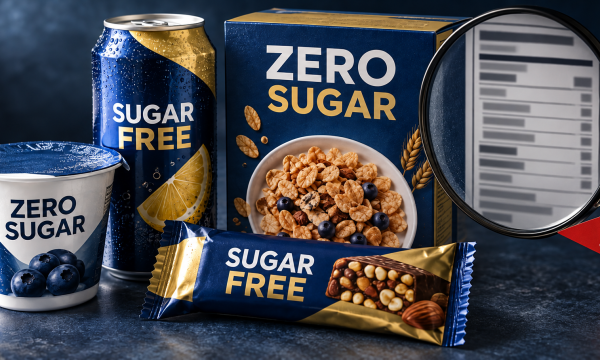
Carey & Danis LLC is investigating "Zero Sugar" and "Sugar Free" claims on allulose-sweetened foods and drinks nationwide.
A class action allows a large group of people harmed in the same way to sue together as a single plaintiff. One case. One resolution. If you were affected by a defective product, data breach, deceptive business practice, or similar wrongdoing — and so were thousands of others — a class action may be the vehicle for seeking justice and compensation.
A class action is a lawsuit filed by one or a few people — called class representatives — on behalf of a larger group who suffered the same or similar harm from the same defendant. One lawsuit resolves the claims of everyone in the class. Common examples include defective products, data breaches, deceptive advertising, and corporate fraud.
A lead plaintiff files suit, and the court must formally certify the class — confirming the group shares enough common questions to proceed together. Once certified, notice goes out to class members. The case moves through discovery, settlement negotiations, or trial, and class members share in any recovery.
Anyone who fits the certified class definition — typically people who purchased the same product, used the same service, or were harmed in the same way during a defined time period. You often do not need to actively sign up; notice will be sent to potential class members. You may need to submit a claim form to receive your share of a settlement.
Common class actions involve defective consumer products, data breaches, misleading advertising, securities fraud, wage and hour violations, unfair debt collection, and antitrust violations. The defining feature: many people were harmed in the same way by the same defendant, making individual litigation impractical.
Most class actions take two to five years to resolve. Significant time goes into class certification, discovery, and settlement negotiations. Most cases settle before trial. Distribution of settlement funds can take additional months after court approval.
Individual payouts vary widely — from a few dollars to thousands — depending on the total settlement amount, the number of class members, and how the damages formula is structured. Because the recovery is divided among all class members, individual payments can be modest. If your losses are large, consult an attorney about whether opting out makes sense.
Usually, no. Class counsel represents the entire class. However, if your individual damages are significant — or if you have claims that go beyond what the class covers — speak with your own attorney before the opt-out deadline. Once a class action settles and you remain in the class, you generally cannot sue separately.
Opting out means you exclude yourself from the class action and preserve the right to file your own individual lawsuit. This makes sense only if your losses are large enough to justify individual litigation or if you have unique claims the class settlement wouldn't cover. Opt-out deadlines are strict — missing them usually means you are bound by the class settlement.
In most cases, doing nothing means you remain in the class. You will be entitled to your share of any settlement — but you will also be bound by it and unable to sue on your own later. Always read class action notices carefully and submit any required claim form before the deadline.
In a class action, all plaintiffs share a single recovery based on common, uniform harm. In a mass tort, each plaintiff has their own individual lawsuit with damages specific to their injuries. Mass torts are common when injuries vary significantly — such as with defective drugs or medical devices. Learn more about mass torts →
Class Action
Carey & Danis LLC is investigating "Zero Sugar" and "Sugar Free" claims on allulose-sweetened foods and drinks nationwide.

Class Action
Carey & Danis LLC has filed suit over Primal Kitchen avocado oil products and is investigating other brands whose products a UC Davis study found compositionally inconsistent with authentic avocado oil.

Class Action
Google Nest cameras may scan bystanders' faces without consent. Carey Danis & Lowe is investigating claims for anyone affected nationwide.

Class Action
A federal class action lawsuit has been filed against Instructure, Inc., the company behind the Canvas learning management system, after an alleged cybersecurity breach exposed personal information belonging to students, teachers, and school staff nationwide. The complaint alleges that hackers stole names, school email addresses, student ID numbers, and private Canvas messages, potentially affecting children and users at thousands of schools. The lawsuit seeks compensation, long-term identity-theft protection, and security improvements for affected users. Find out if you or your child qualify — free review.
Class Action
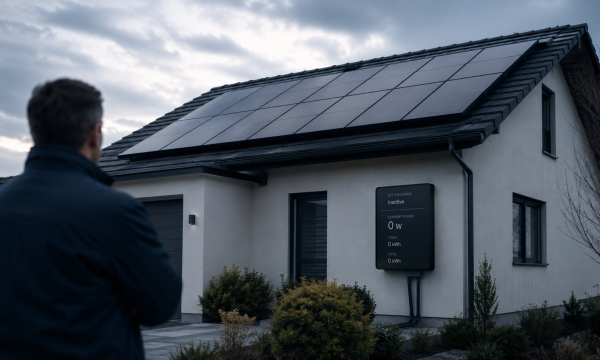
If your Generac PWRcell solar system experienced SnapRS failures, fires, overheating, or a PVRSS lockout, you may be eligible for compensation. A class action settlement has received preliminary approval. Claims period is open.
Class Action
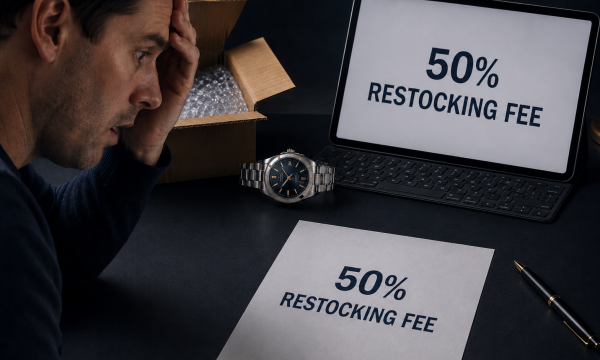
Did AuthenticWatches.com withhold money when you returned a watch? A class action is pending against Tranik Enterprises in California. We are seeking clients and information. Tell us what happened.

Class Action
A RICO class action against DMM Solutions alleges that Dating.com, AmoLatina, AnastasiaDate, and related sites used fake "Popular Member" profiles to extract money from real users. Case sent to arbitration. Seeking information from affected users.

Class Action
A class action lawsuit alleges that U.S. Junior Nationals (USJN) illegally requires youth basketball tournament participants to book hotels through its designated broker — threatening forfeiture for families who don't comply. Briefing on motion to dismiss pending. We want to hear from affected families.

Class Action
A class action lawsuit filed in Missouri federal court alleges that Stake.us is an illegal online casino promoted by celebrities Drake and Adin Ross.

Class Action
More than 560 million Ticketmaster customers had their personal data stolen in the 2024 Snowflake data breach. Federal litigation (MDL 3126) is pending in Montana. We represent individual consumers in this case. No new intake — informational only.

Class Action
Nexium, Prilosec, and Prevacid were linked to kidney disease. MDL 2789 resolved with over $533 million in settlements to settle approximately 11,000 PPI claims. Learn what happened and why we are no longer accepting cases.
Class Action
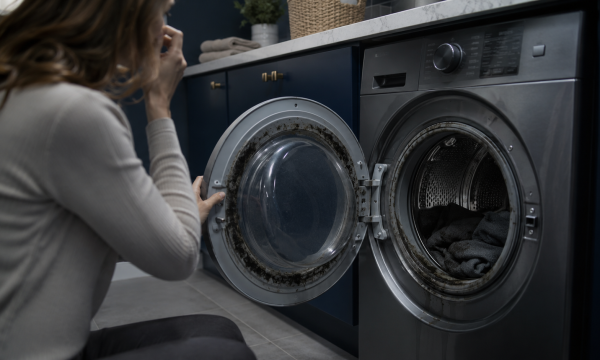
Kenmore front-load washing machine owners experienced mold and odor from a design defect. Learn about the Sears and Whirlpool class action settlement and what it meant for consumers.